
A Guide to Custom Boxes:
Types, Styles, & Materials
Not sure which box is right for your product?
We created this guide to give you a quick overview of common custom box types, box styles, and material options so you can choose the packaging that best fits your product.
Types of Custom Boxes
Some boxes prioritize durability for shipping and logistics, while others focus on presentation or product protection.
Here are several common custom box types used across many industries.

Mailing Boxes
Mailing boxes are durable die cut boxes commonly used for e-commerce shipments. They typically feature interlocking flaps that allow the box to close securely without excessive tape. Because they combine strength with a clean presentation, mailing boxes are widely used for subscription boxes, online retail orders, and promotional kits.

Shipping Boxes
Shipping boxes are heavy duty corrugated containers built primarily for transportation and storage. Their structure is designed to protect products while allowing boxes to stack safely during shipping and warehousing. These boxes are commonly used for bulk shipments, distribution, and industrial packaging.

Folding Cartons
Folding cartons are lightweight boxes made from paperboard that are printed, die cut, and folded into shape. They are frequently used for retail packaging where branding and shelf presentation are important. Cosmetics, food products, pharmaceuticals, and small consumer goods often use this type of packaging.

Rigid Setup Boxes
Rigid setup boxes are sturdy boxes that hold their shape and offer a premium appearance. They are typically made from thick board and wrapped in printed or decorative paper. Because of their durability and presentation quality, they are commonly used for luxury products, gift packaging, and electronics.

Product Boxes
Product boxes are custom sized boxes designed to hold a specific item securely while displaying product branding and information. These boxes may include inserts or display windows to help position and showcase the product.

Influencer Boxes
Influencer boxes are designed to create a memorable unboxing experience. They often include custom inserts, bold printing, and specialty finishes that highlight the product and brand. Companies frequently use these boxes for product launches, PR kits, and marketing campaigns.

Prototype Boxes
Prototype boxes are short run packaging samples used to test design, structure, and product fit before full production begins. Creating a prototype allows businesses to review the packaging, make adjustments, and confirm that the final design performs as expected.
Custom Box Styles
Box styles describe the structural design of the packaging. The way a box folds and closes affects its strength, ease of assembly, and how it protects the product.
RSC (Regular Slotted)
One of the most common shipping box designs. All flaps are the same length and meet in the center when closed.
REFT (Roll-End Front-Tuck)
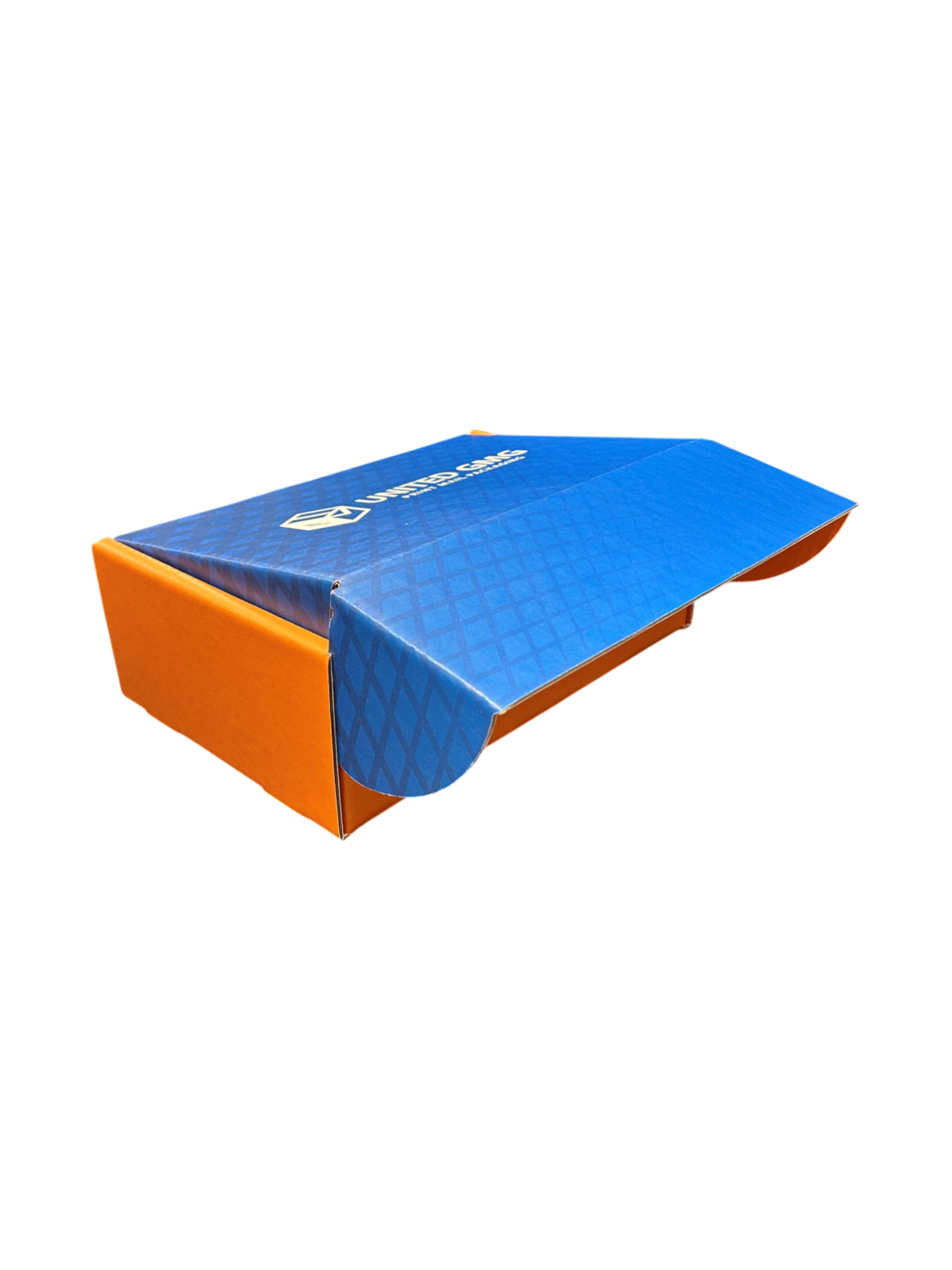
Reinforced side panels roll inward to add strength. The front flap tucks into place to secure the box.
RETT (Roll-End Top-Tuck)
Similar to REFT but closes with a top tuck flap, creating a clean opening experience.
Telescope Boxes
Two piece design consisting of a base and a lid that slides over the top.
HSC (Half Slotted Container)
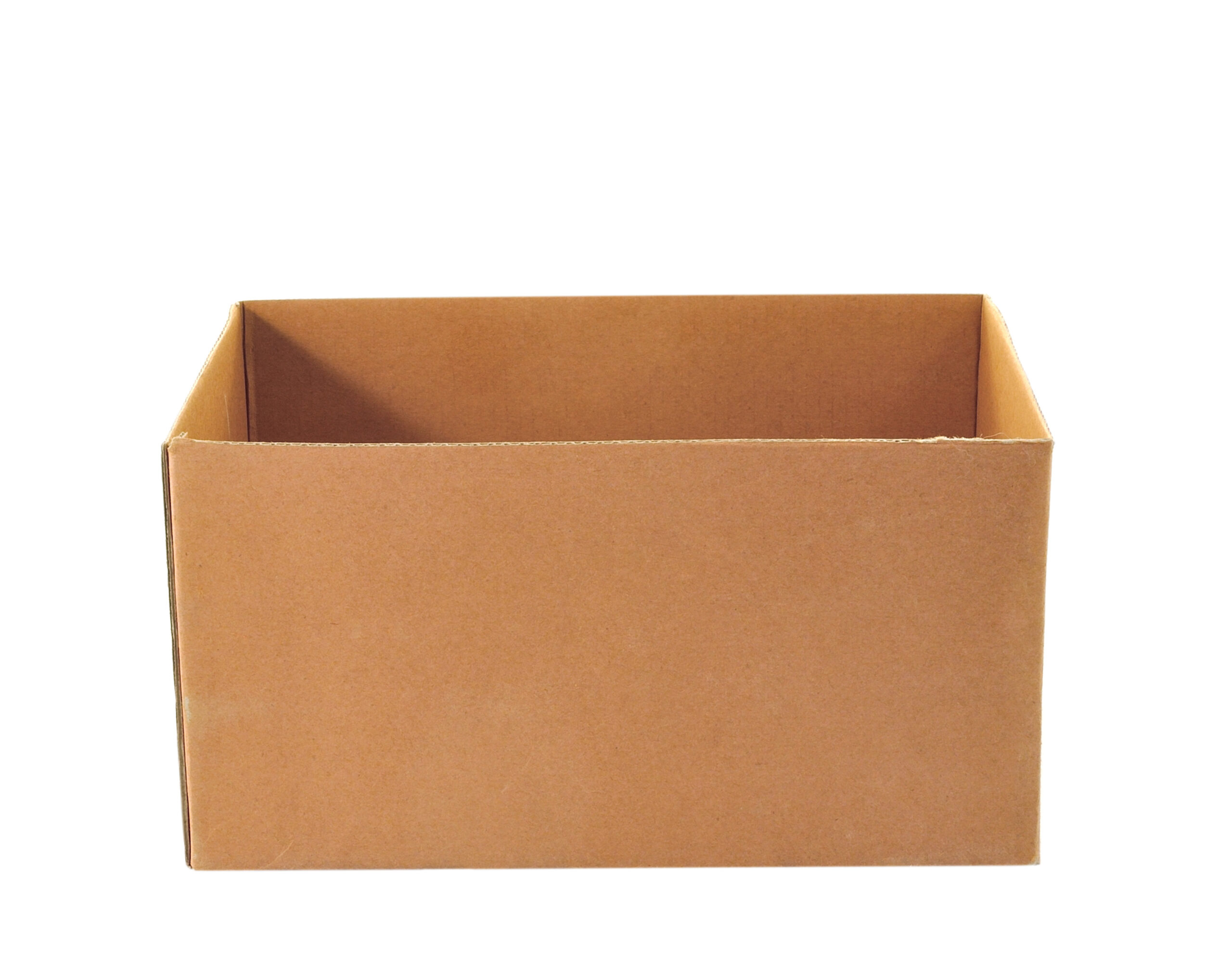
Similar to an RSC box but only includes flaps on one side, leaving the other side open.
OPF (One Piece Folder)
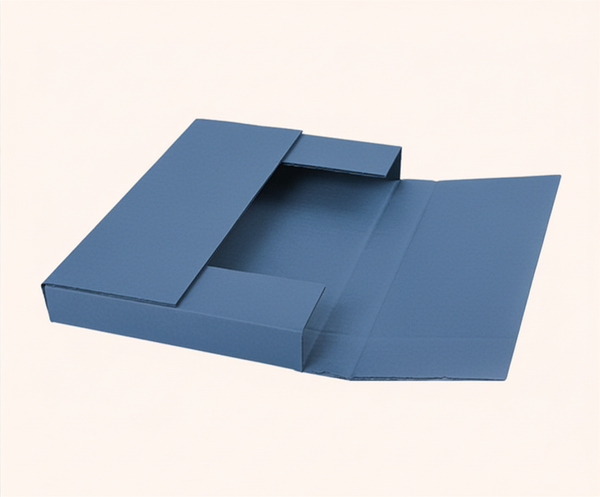
Made from a single sheet that wraps around the product, creating a snug protective fit.
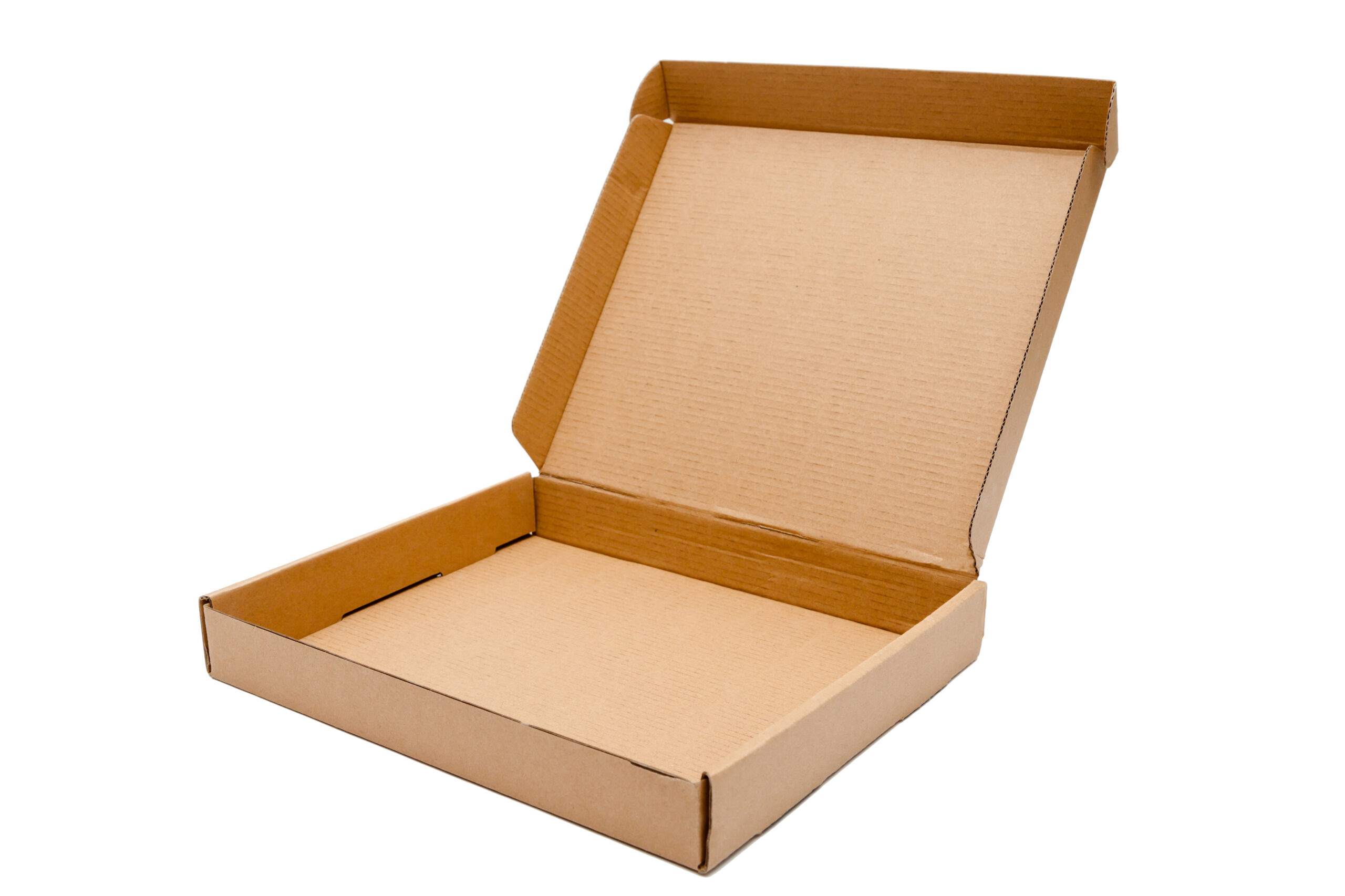
FPF (Five Panel Folder)
Similar to a one piece folder but includes an additional panel for extra edge protection.
Custom Box Material Options
The material used to produce the box affects durability, appearance, and printing quality. Choosing the right material depends on the weight of the product, how it will be shipped, and the type of presentation required.
Optional Customization Options
Beyond box type, style, and material, custom packaging can also include a range of enhancements that improve both visual presentation and functionality. These options allow businesses to strengthen brand recognition, protect products more effectively, and create a more polished customer experience.
Need Help Choosing the Right Custom Box for Your Product?
Have questions or want guidance selecting the best custom packaging option? Our team at United GMG is here to help. Contact us to discuss your project and get recommendations based on your product, goals, and timeline.